What is a DXP and How Does it Differ from a CMS?
Choose Griddo, a DXP that surpasses the limitations of traditional CMS. Scale, personalize, and manage your university's digital experience. Discover more!


Key Takeaways
- CMS vs. DXP: A traditional CMS manages web content, while a DXP enables highly personalized digital experiences across multiple channels by leveraging real-time data, native integrations, and modular architecture.
- Scalability Matters: Traditional CMS platforms face limitations as content volume and users grow, requiring constant modifications, whereas DXP platforms are designed from the ground up to scale without interruptions.
- Strategic Alignment: Universities with multiple sites, high content volume, and complex integration needs benefit from a DXP like Griddo that aligns digital management with long-term institutional objectives.
CMS vs DXP: The Evolution of Digital Management in Universities
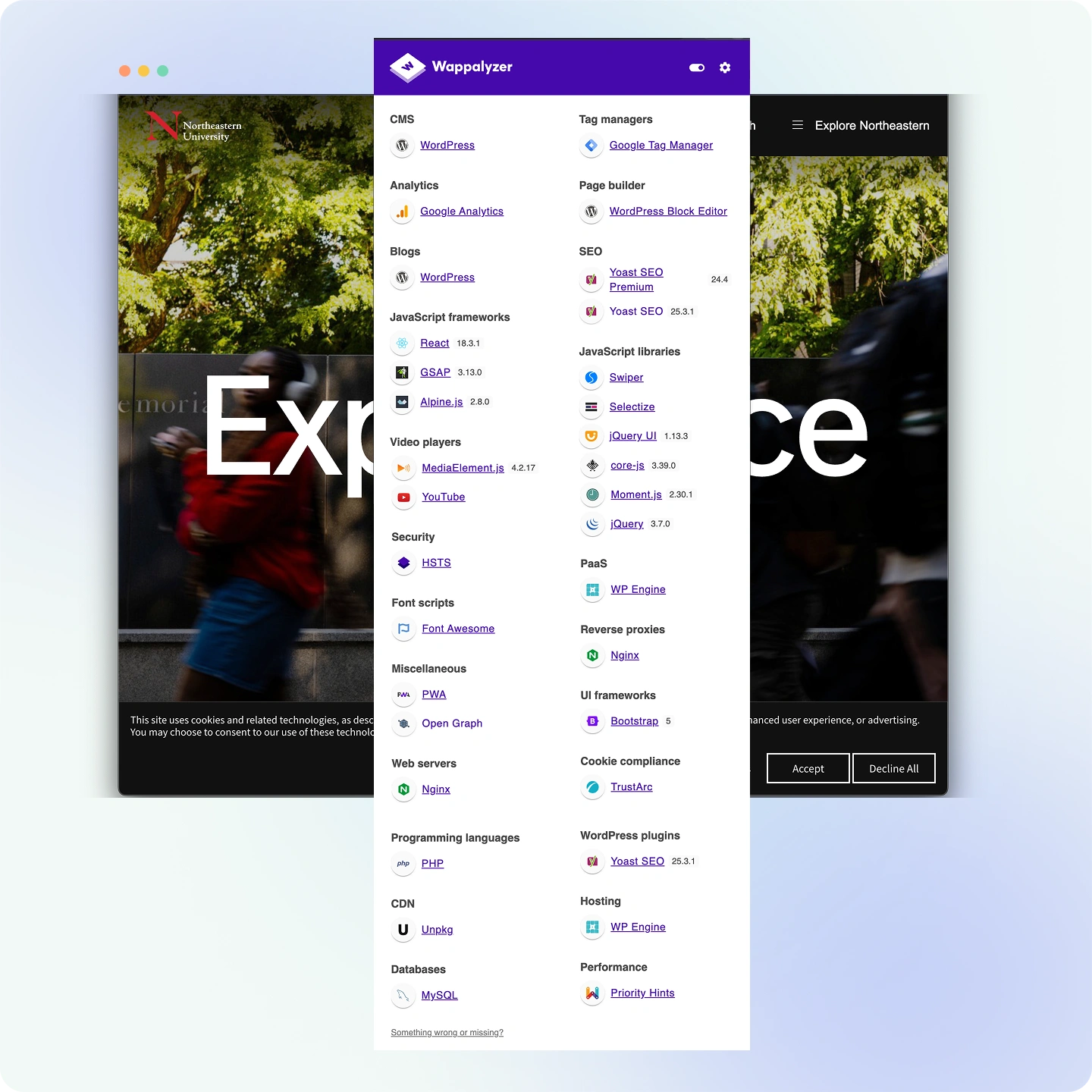
For years, universities have relied on traditional systems like WordPress or Drupal to manage their websites. In fact, WordPress is used by 61.6% of all websites whose CMS is known, representing 43.5% of all websites. However, today’s needs for personalization, automation, and scalability demand more advanced solutions, such as digital experience platforms (DXP).
What is a CMS and What is it For?
A CMS (Content Management System) allows you to easily create, manage, and modify web content without advanced technical knowledge. Platforms like WordPress and Drupal emerged with Web 2.0 and remain effective for sites with simpler structures and no need for scalability. Agencies with experience working in the higher education sector, like our partner Want Digital, have successfully used CMS platforms to help universities maintain an effective, agile digital presence adapted to their immediate needs.
What is a DXP? Definition and Key Functions
A DXP (Digital Experience Platform) is an integrated system that enables the management of highly personalized digital experiences across multiple channels. Unlike a CMS, a DXP leverages data to dynamically personalize content, facilitating interaction and optimizing internal processes such as student recruitment or integration with other institutional systems.
CMS or DXP? Which Platform is Best for Your University?
Choosing between a CMS and a DXP largely depends on the size, needs, and strategic objectives of each university. A traditional CMS could be sufficient for small or medium universities with relatively simple websites, where content doesn’t change frequently, or in projects where a high level of personalization or complex integrations with other platforms or internal systems is not required. In these cases, the operational simplicity of a traditional CMS can represent considerable savings in time and resources.
On the other hand, universities that manage multiple sites or subdomains, that have a high volume of content, that seek fluid integrations with systems like CRM, ERP, and LMS, and that need to dynamically personalize their content according to user profiles, will find that a DXP is a considerably more complete and flexible solution.
Practical Tips to Improve University Digital Experience
Use a DXP and:
- Optimize website speed and performance.
- Personalize user experience using automatic tagging through Artificial Intelligence (AI).
- Facilitate integration with internal systems (CRM, LMS)
- Ensure the chosen platform is easily scalable and adaptable to future growth.
Choosing the right platform is crucial to ensure an optimal digital experience for students and university staff. Griddo offers a robust and scalable solution that solves the limitations of traditional CMS, allowing universities to focus on educating and innovating.